Dancing Skeleton Svg
As an embroidery designer with years of experience, I always start by evaluating a new design from the perspective of how it will translate into a real-world project. The Dancing Skeleton Svg is no exception. This digital illustration offers a unique and whimsical visual that could work well in a variety of applications, but it also comes with some considerations that every designer should be aware of before committing to a project.
First Impressions: A Whimsical and Bold Design
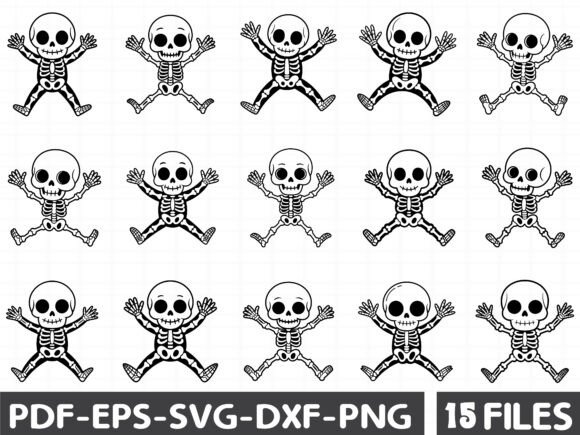
The Dancing Skeleton Svg immediately catches the eye with its playful, animated pose. The design has a clear visual personality—silly yet sophisticated, perfect for a holiday or themed project. The layout is balanced, with enough detail to make the image recognizable without being overly complex. It’s not the kind of design you’d use for something subtle; it’s meant to stand out.
The shape and theme are ideal for custom apparel, especially items like t-shirts, sweatshirts, and tote bags. It has a strong presence that works well on larger surfaces. However, its boldness might not be suitable for more delicate projects like baby clothes or intricate patches.
Real-World Embroidery Performance
When considering how the Dancing Skeleton Svg would perform in actual embroidery, there are several factors to take into account. First, the design’s complexity may affect stitch density. If the design includes areas with dense fill stitches, it could become stiff or less comfortable on garments, especially on thin or stretchy fabrics.
For custom apparel, this design would work best on cotton or canvas-based materials. It could be a great addition to a sweatshirt or tote bag design, where the size allows for proper visibility and detail. However, if used on a cap or hat, the curved surface might distort the image slightly, so careful placement is necessary.
On baby items, the design could be too intense. While it’s not scary, the skeletal theme might not be appropriate for all audiences. For personalized gifts or holiday embroidery, it could be a hit—especially around Halloween or for themed events.
Where to Use It Carefully
There are certain scenarios where the Dancing Skeleton Svg might not be the best choice. Small hoop sizes can be problematic, as the design requires space to maintain its clarity. If you're working on a patch or a small item, you may need to scale it down, which could reduce the detail and impact.
Textured or dark fabrics could also pose challenges. On dark backgrounds, the design might not show up as clearly unless the thread colors are chosen carefully. Thin or stretchy fabrics may require additional stabilizer to prevent puckering or distortion during stitching.
For layered garments or products that see frequent washing, the durability of the design matters. Satin stitches and fill stitches can sometimes break down over time, so testing the design on scrap fabric first is essential.
Visual Appeal and Customer Perception
The Dancing Skeleton Svg has a strong visual appeal that can elevate a handmade product or a craft business offering. Its uniqueness can help differentiate a product on Etsy or at a craft fair. However, the design's boldness must align with the target audience. If your brand is more subdued, this might not be the best fit.
When it comes to customer trust and giftability, the design could be a conversation starter. It adds a fun element to personalized gifts or holiday items, making them more memorable. But if the design feels too quirky for the intended recipient, it could be a misstep.
Practical Designer Notes
Before using the Dancing Skeleton Svg in any project, test it on scrap fabric. This will help you understand how the design looks in real life and whether the stitch density is appropriate for your material. Check thread color contrast, especially if you’re using dark fabrics or light threads.
Review the hoop size required for the design. If it’s too large for your machine, consider scaling it down or breaking it into sections. Inspect small details, such as the skeleton’s limbs and facial features, to ensure they remain clear after stitching.
Use proper stabilizer, especially on stretchy or thin fabrics. Test the design in black and white mockups to see how it appears without color. Compare it on both light and dark fabric backgrounds to determine the best look.
Confirm that the design is suitable for both personal and commercial use. Check the licensing terms before selling finished items or digital products. Ensure that the file formats provided meet your needs—SVG, PNG, DXF, EPS, and PDF are all useful for different purposes.
Final Thoughts: A Fun and Functional Design
The Dancing Skeleton Svg is a versatile design that can add character to a wide range of embroidery projects. It’s best suited for custom apparel, holiday items, and boutique merchandise where bold visuals are desired. However, it requires careful consideration when applied to smaller or more delicate items.
As a designer, I appreciate the creativity behind this piece, but I also recognize the practical limitations. It’s not a one-size-fits-all design. With the right approach, though, it can become a standout element in your collection of machine embroidery designs.