Fruit Tree Embroidery Design Review
As an embroidery designer and product reviewer, I’ve evaluated countless digital designs for real-world use. Fruit Tree, a set of 100 unique quote designs, caught my attention for its potential in custom apparel, handmade products, and commercial embroidery projects. Let’s dive into how this design performs in practical scenarios and what to consider before using it in your next project.
First Impressions: Aesthetic and Theme
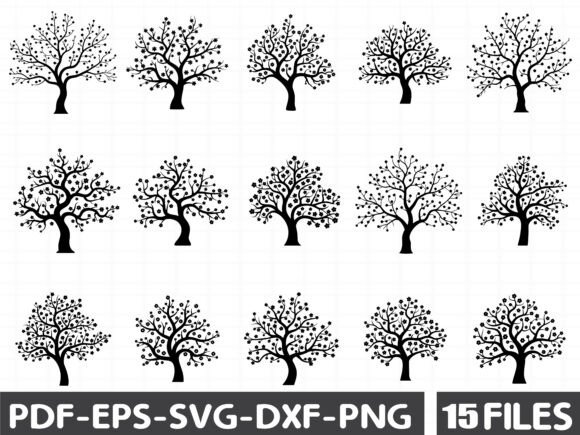
Fruit Tree immediately evokes a sense of warmth and nature. The designs feature delicate fruit tree motifs, often paired with elegant typography or simple illustrations. The visual personality is clean, modern, and slightly whimsical—perfect for a variety of embroidery applications. The layout is well-balanced, with enough detail to stand out without overwhelming the eye.
The theme aligns well with personalization trends, making it ideal for baby items, holiday gifts, and boutique merchandise. It feels like a design that could easily translate into a meaningful embroidered patch or a subtle accent on a tote bag.
Real-Life Embroidery Scenarios
When considering where to place Fruit Tree, think about custom apparel, such as sweatshirts or t-shirts. The design works well as a small-scale embroidery piece, adding a touch of personality without being too bold. For a tote bag design, it could serve as a focal point, especially if the fabric is light-colored and smooth.
For baby items, Fruit Tree offers a soft, gentle aesthetic that fits well with nursery decor. As an applique design, it could be used on onesies or blankets, blending seamlessly with the fabric texture. On caps or hats, the design might require careful placement due to the curved surface, but it can still look great with proper hoop size and stabilizer.
In a craft business or Etsy shop, Fruit Tree could be a valuable addition to your design assets. It’s versatile enough to be used in printable mockups, digital product previews, or as part of a downloadable embroidery file collection.
Where to Use With Caution
While Fruit Tree is visually appealing, there are situations where it may not perform as well. Small hoop sizes could limit the design’s ability to capture fine details, especially in areas with intricate lines or tiny lettering. Textured fabrics might cause the stitches to sit unevenly, affecting the overall appearance.
On thin or stretchy fabrics, the design could lose some definition. Dark fabrics may require a different thread color to ensure visibility, and layered garments might complicate the stitching process. Additionally, dense stitch areas could lead to puckering or distortion, so checking the stitch density is essential.
Curved surfaces like caps or hoods demand extra care. The design might need adjustment to fit properly, and detailed corners could become distorted if not handled correctly. Always test the design on scrap fabric before committing to a final project.
Impact on Visual Appeal and Customer Perception
Fruit Tree has the potential to elevate the visual appeal of any embroidered product. Its clean lines and natural theme can make a finished product feel more thoughtful and intentional. When used on personalized gifts or custom apparel, it adds a layer of uniqueness that customers appreciate.
Stitching clarity is important for customer trust. If the design is too busy or poorly executed, it could detract from the overall quality. However, when done right, Fruit Tree can enhance the professionalism of your work and reinforce brand consistency across your product line.
From a buyer engagement perspective, the design’s simplicity makes it highly recognizable. It’s easy to imagine how it would look on a pillow cover, tea towel, or holiday gift. Its versatility also makes it a strong choice for handmade presentation, whether you’re selling at a craft fair or showcasing on Etsy.
Practical Designer Notes
Before using Fruit Tree in your next embroidery project, here are a few key steps to take:
- Test on scrap fabric to see how the design looks in real life and adjust settings if needed.
- Check thread color contrast against the fabric to ensure visibility and harmony.
- Review stitch density to avoid over-stitching or under-stitching issues.
- Confirm hoop size to ensure the design fits comfortably without distortion.
- Inspect small details for any imperfections that might affect the final outcome.
- Test in black and white mockups to evaluate how the design translates without color.
- Compare light and dark fabric backgrounds to determine the best application.
- Use proper stabilizer for delicate or stretchy fabrics to maintain shape and structure.
- Verify licensing to ensure the design is suitable for both personal and commercial use.
By following these steps, you can maximize the value of Fruit Tree in your embroidery projects while maintaining the quality and professionalism your customers expect.
Final Thoughts
Fruit Tree is a solid choice for embroidery designers looking for versatile, nature-inspired designs. Its clean aesthetic and adaptability make it suitable for a wide range of applications, from custom apparel to small shop merchandise. While it requires careful consideration in certain scenarios, the design has the potential to add value and uniqueness to your work.
Whether you're an Etsy seller, a craft business owner, or a hobbyist, Fruit Tree offers a practical and stylish option for your next embroidery project. Just remember to test, adjust, and tailor the design to fit your specific needs and materials.