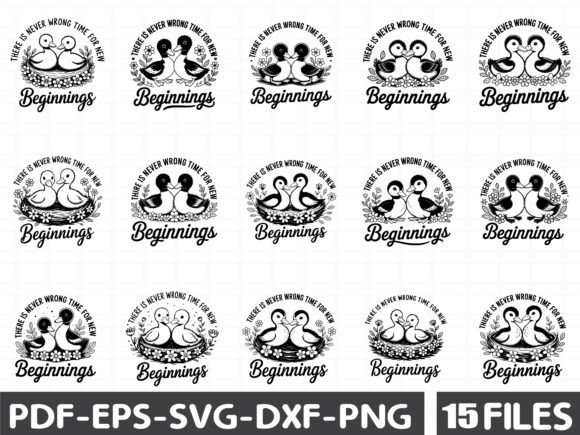
Spring Duckling Embroidery Design
As an embroidery designer and product reviewer, I’ve evaluated countless digital designs for real-world use. Spring Duckling stands out as a versatile and visually appealing option for a range of projects. This 100-piece quote design pack offers a variety of illustrations that could easily find their way into custom apparel, baby items, and small business merchandise. But before jumping into using it, let’s take a closer look at what this design brings to the table.
The First Impression: A Fresh, Whimsical Mood
Spring Duckling immediately evokes a sense of lightness and charm. The design features soft curves, gentle lines, and a playful yet refined aesthetic. It feels like something you’d see on a handmade greeting card or a personalized baby onesie. The layout is balanced, with enough detail to be interesting but not so intricate that it becomes overwhelming. This makes it ideal for embroidery projects that need to be both functional and visually engaging.
The theme is simple but effective—perfect for springtime, baby showers, or nature-themed gifts. Whether you're working on a tote bag design or a sweatshirt embroidery, Spring Duckling has the potential to add a touch of personality without being too bold.
Real-World Embroidery Performance
When considering how Spring Duckling performs in actual embroidery situations, there are several factors to keep in mind. For custom apparel, such as t-shirts or sweatshirts, the design holds up well. Its moderate level of detail allows for clear stitching, especially when using satin stitch and fill stitch techniques. However, if you’re working on a small hoop size, you may need to adjust the design or break it into sections for better visibility and accuracy.
For baby embroidery, the soft lines and gentle shapes make it a great fit. It can be used on onesies, blankets, or burp cloths, where the visual appeal is important but the complexity needs to be manageable. When applied to textured fabrics or thin materials, the design may require extra stabilizer to prevent puckering or distortion.
On dark fabric, the contrast between the design and the background can be striking, but it’s worth testing with different thread colors to ensure visibility. For stretchy fabrics, like those used in caps or hats, the design might benefit from a bit of extra support to maintain its shape after washing.
Where to Use Spring Duckling Carefully
While Spring Duckling is generally well-suited for a variety of embroidery projects, there are certain scenarios where caution is needed. If you're planning to use it on curved surfaces like caps or hoods, you may need to adjust the design slightly to accommodate the curve. Tiny lettering or detailed corners can also be challenging, especially if the stitch density is too high.
For layered garments or products that require frequent washing, it’s wise to test the design on scrap fabric first. Dense stitch areas might cause the fabric to wear down over time, and decorative accents could become less defined after multiple washes. In these cases, it’s best to use the design as a secondary element rather than the main focus.
Impact on Visual Appeal and Customer Perception
Spring Duckling adds a unique visual element to any embroidered project. Its clean lines and soft shapes can elevate the look of a handmade product, making it more appealing to customers. When used on a tote bag design or a sweatshirt embroidery, it can enhance the overall aesthetic and make the finished product stand out in a crowded market.
From a commercial perspective, this design can help build customer trust. A well-executed embroidery project with a cohesive and attractive design often leads to higher satisfaction and repeat business. For Etsy sellers or small shop products, Spring Duckling can serve as a reliable asset that supports brand consistency and professionalism.
It also plays a role in giftability. Personalized gifts, such as embroidered patches or holiday embroidery pieces, often rely on the visual impact of the design. Spring Duckling’s whimsical style makes it a good choice for these types of projects, especially when paired with thoughtful color choices and proper stitching techniques.
Practical Designer Notes for Using Spring Duckling
Before committing to a project, always test the design on scrap fabric. This helps identify any issues with stitch density, thread color contrast, or stabilizer requirements. If you’re using it for a printable mockup or digital product preview, check how it looks in black and white to ensure it remains legible and attractive.
Review the file formats provided. While the exact hoop sizes and machine compatibility aren’t specified, it’s important to confirm that the design works with your embroidery software and machine. For commercial use, make sure you understand the licensing terms before selling finished items or digital products.
When working on a custom apparel project, consider how the design will look on different fabric types. Thin or stretchy materials may require additional support, while dark backgrounds might need a contrasting thread color. For baby embroidery, prioritize clarity and simplicity to ensure the design remains readable and safe for little ones.
Overall, Spring Duckling is a solid choice for a wide range of embroidery projects. Its balance of detail and simplicity makes it adaptable to various applications, from personal use to commercial ventures. With careful consideration and proper execution, it can become a valuable addition to your design assets and help you create beautiful, professional-looking finished products.