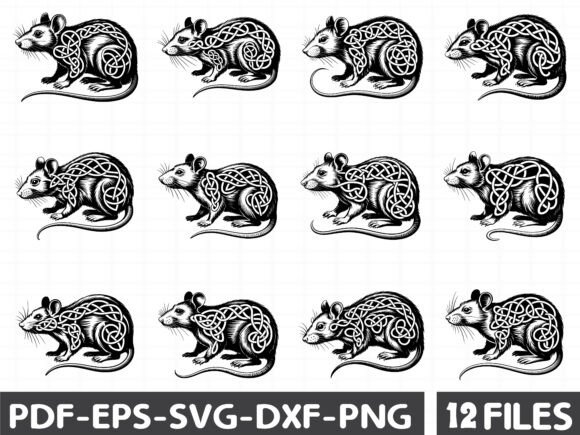
Rat Celtic Design
As an embroidery designer and product reviewer, I always start by evaluating a new design with a critical eye—looking at how it translates from digital to fabric, how it fits real-world projects, and whether it adds value to a creative business. The Rat Celtic Design, part of the 100 Unique Digital Quote Design Pack, offers a distinct visual identity that could work well in a variety of embroidery applications. But like any design, its success depends on how it’s used.
The First Impression: Mood, Style, and Visual Personality
The Rat Celtic Design immediately evokes a sense of mystery and tradition. Its intricate patterns and stylized elements suggest a connection to ancient symbols, making it ideal for projects that lean into folklore, heritage, or artistic storytelling. The layout is balanced, with enough detail to be visually engaging but not so dense that it becomes overwhelming. It has a classic, timeless feel that can appeal to both traditional and modern audiences.
This design seems to belong in projects that emphasize craftsmanship and symbolism—think custom embroidered tote bags, sweatshirts, or baby items. It also has potential as a decorative accent on patches, aprons, or even holiday gifts. The overall aesthetic feels like it would stand out in a handmade shop or Etsy listing, offering something unique that customers might find intriguing.
Real-World Embroidery Performance
When considering how the Rat Celtic Design performs in real-life embroidery situations, several factors come into play. The design’s complexity means it works best on flat, stable surfaces. For example, a custom apparel project like a sweatshirt or t-shirt would benefit from the design’s visual depth, especially when using techniques like satin stitch or fill stitch to bring out the details.
However, there are limitations. On small hoop sizes, the design may require splitting into sections, which can be time-consuming and increase the risk of misalignment. For textured fabrics or thin materials, the design might not hold up as well, especially if the stitches are too dense. In such cases, adjusting the stitch density or using a proper stabilizer could help maintain quality.
On dark fabrics, the design might need a contrasting thread color to ensure visibility. This is particularly important for personalized gifts or commercial embroidery projects where clarity is key. The same applies to layered garments or curved surfaces like caps, where the design’s shape might be distorted if not properly adjusted.
Where to Use with Caution
While the Rat Celtic Design is visually appealing, it requires careful consideration in certain scenarios. Tiny lettering or detailed corners could be lost during stitching, especially on stretchy or thin fabrics. Dense stitch areas might cause puckering or distortion, so testing on scrap fabric first is essential.
For commercial embroidery projects, it’s important to confirm that the design is suitable for both personal and commercial use. If you're selling finished products or digital embroidery files, make sure the licensing terms allow for that. Also, consider how the design looks in black and white mockups—it can help determine its versatility across different fabric colors and backgrounds.
Impact on Visual Appeal and Customer Perception
A well-chosen embroidery design can elevate a handmade product, making it more desirable and valuable. The Rat Celtic Design has the potential to do just that, provided it’s used appropriately. Its intricate details can add a sense of luxury and artistry to a finished product, which can boost customer trust and engagement.
For a small shop product or an Etsy listing, this design could serve as a strong visual anchor. It’s versatile enough to be used in various formats—whether as a standalone embroidered patch, a tote bag design, or part of a larger collection. Its ability to convey a story or theme makes it highly giftable and recognizable, which is a big plus for creative entrepreneurs.
Practical Designer Notes
Before committing to a project, test the Rat Celtic Design on scrap fabric. This will help you see how the stitches look in practice and whether the design needs adjustments. Check the thread color contrast, especially on dark or light backgrounds. Review the stitch density to ensure it’s appropriate for the fabric type and project size.
Confirm the hoop size required for the design. If it’s too large for your machine, consider breaking it into sections. Inspect small details closely—sometimes digital designs can have imperfections that aren’t visible until stitched. Test the design in both black and white and full color to understand its flexibility.
Use the right stabilizer for the fabric you’re working with. This can prevent puckering and ensure the design holds up over time. Finally, always check the licensing terms before using the design for commercial purposes or reselling digital embroidery files.
Conclusion: A Design Worth Exploring
The Rat Celtic Design is a compelling choice for embroidery projects that aim to blend artistry with practicality. It offers a unique visual language that can enhance a wide range of handmade products, from custom apparel to personalized gifts. However, its success ultimately depends on how it’s applied and the care taken during the embroidery process.
For designers, crafters, and small business owners, this design can be a valuable addition to their collection of design assets. With thoughtful use and proper execution, it has the potential to become a standout element in a creative business, helping to build brand consistency and customer loyalty.